
Last week in Tokyo, I had the chance to see Tony Oursler's exhibition Tech/Gnosis: Magic, Media, and Art. Since interactive projection is a medium we often work with at our studio, the show really resonated with me, leaving me with a lot of inspiration and reflections that I wanted to share.
LOCK 2, 4, 6
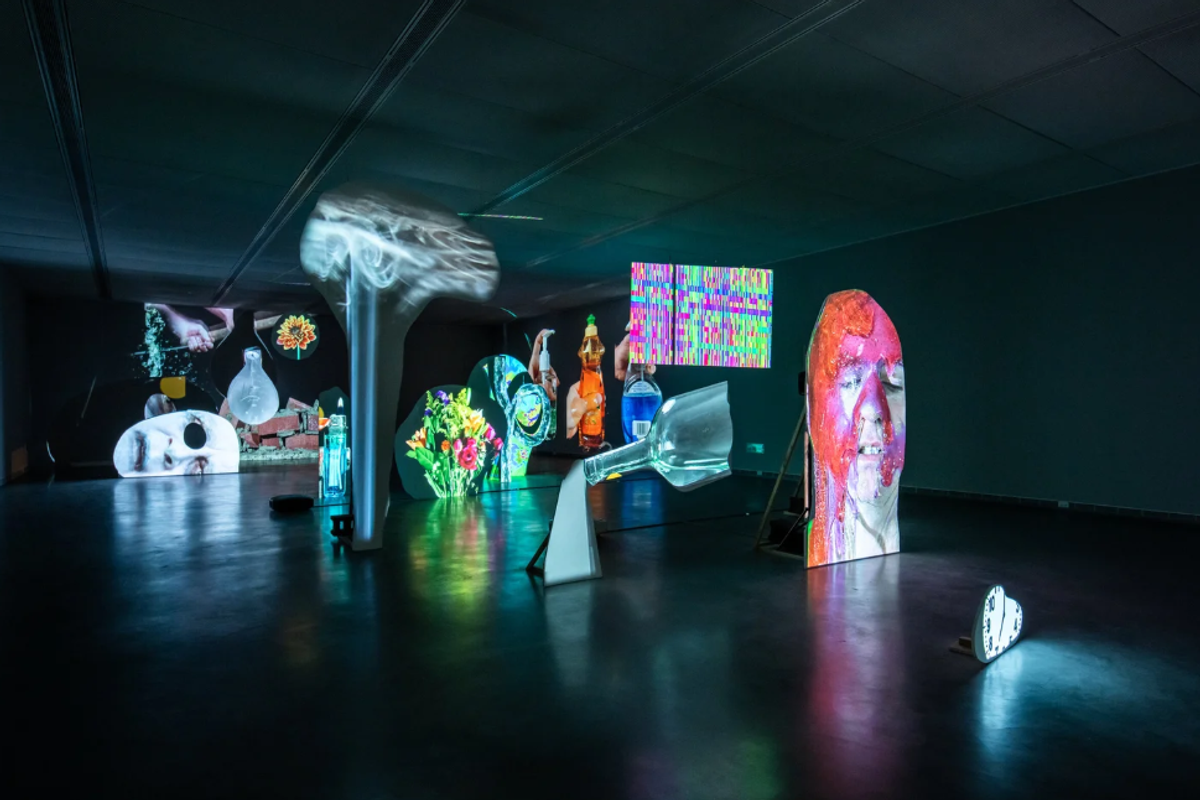
At the core of LOCK 2, 4, 6 is the tension between control, compulsion, and losing control. Oursler begins with a simple thought---Did I turn off the light?---and explores how such everyday uncertainty can become a repetitive cycle of checking, ritual, addiction, and anxiety. Rather than representing these psychological states through a single character, he turns them into a physical environment of voices, bodies, images, and electronic signals, making the installation feel like walking through someone's nervous system. Technology becomes an extension of the mind itself: in one part of the project, Oursler even collaborated with philosopher Dan Lloyd to translate participants' fMRI brain data into music, making internal mental activity physically perceptible.
My Thoughts
What I loved most was how Oursler turned the human mind into something like a forest of sculptures. The flexibility of projection mapping allows thoughts and psychological states to take on physical forms, creating a space that feels almost like walking through a maze inside someone's mind.
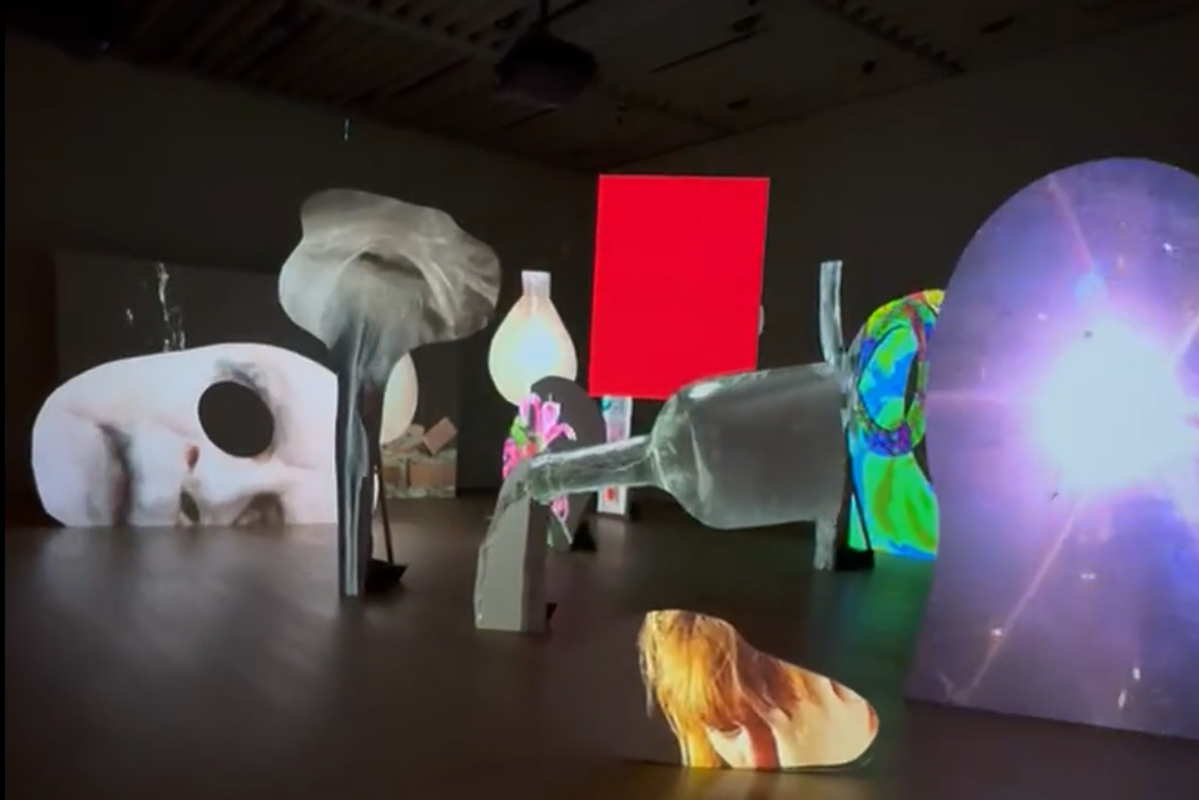
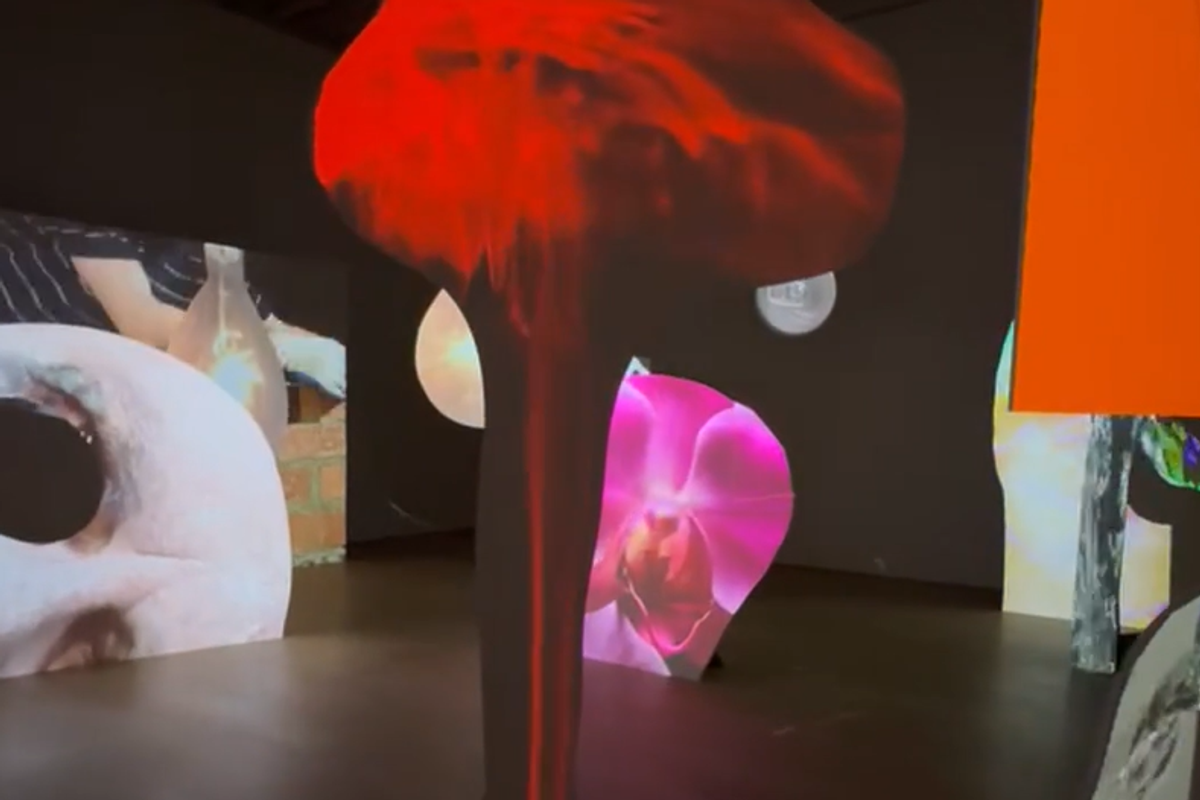
I also loved how simple the physical construction actually was. Each object appeared to be made from plywood with wooden supports behind it, while multiple projectors mapped imagery onto different layers throughout the space. It was a great reminder of what I love about projection as a medium: it can transform relatively simple physical structures into an entire psychological world, bringing an inner mental space into the real world and allowing the audience to actually walk through it.
mAcHiNe E.L.F.
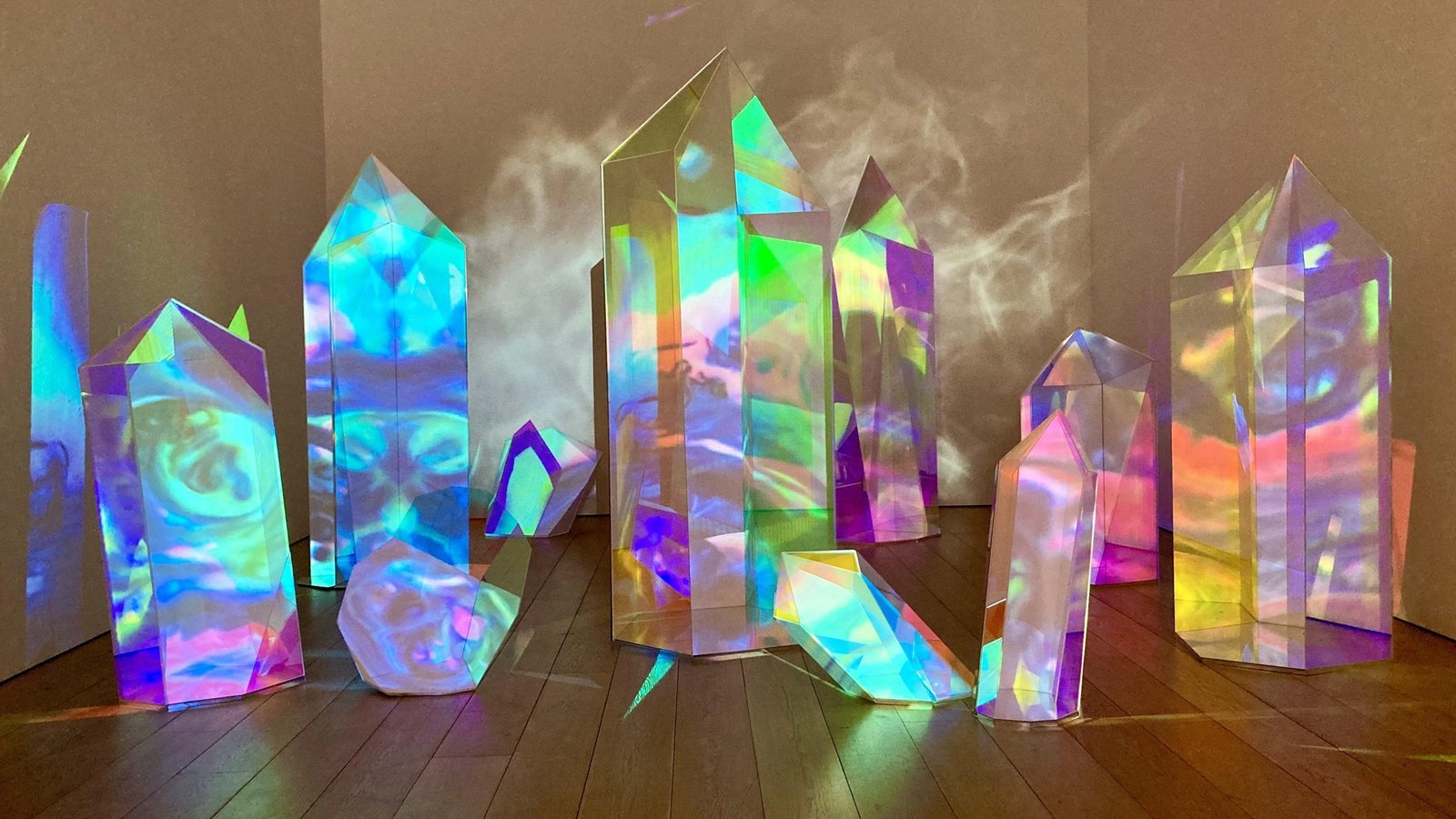
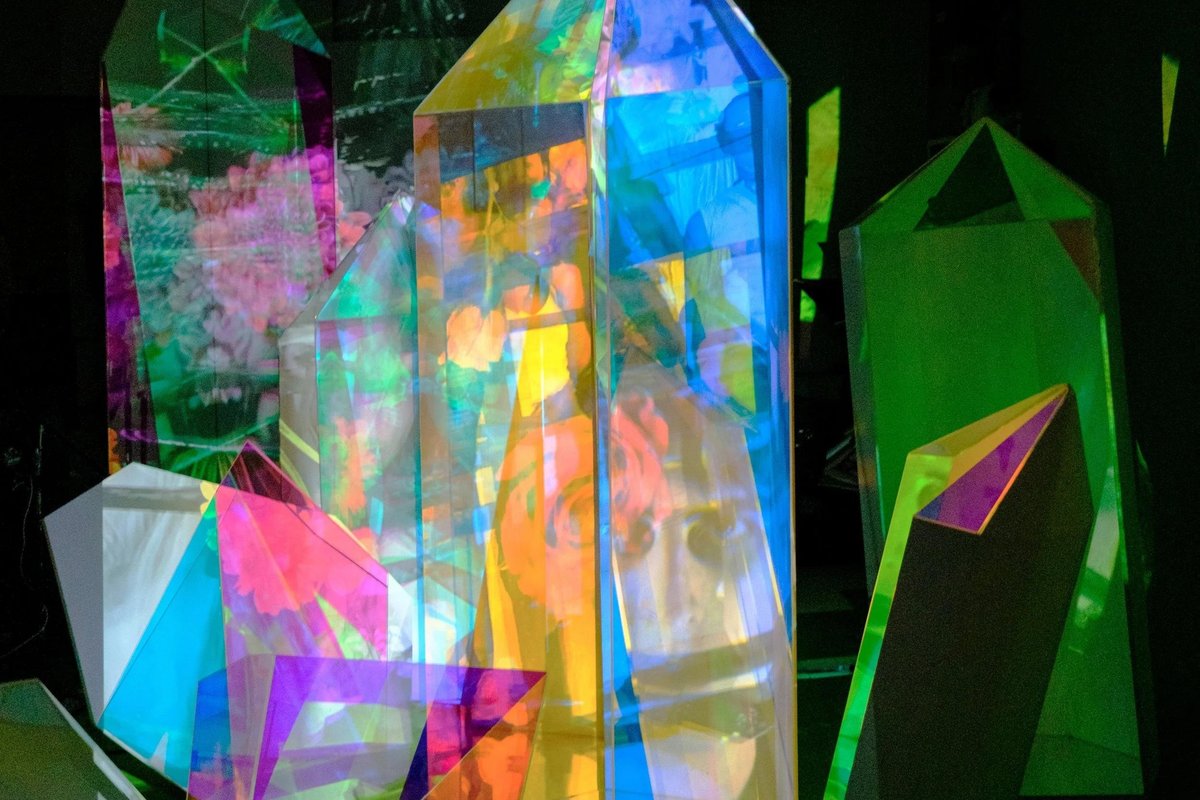
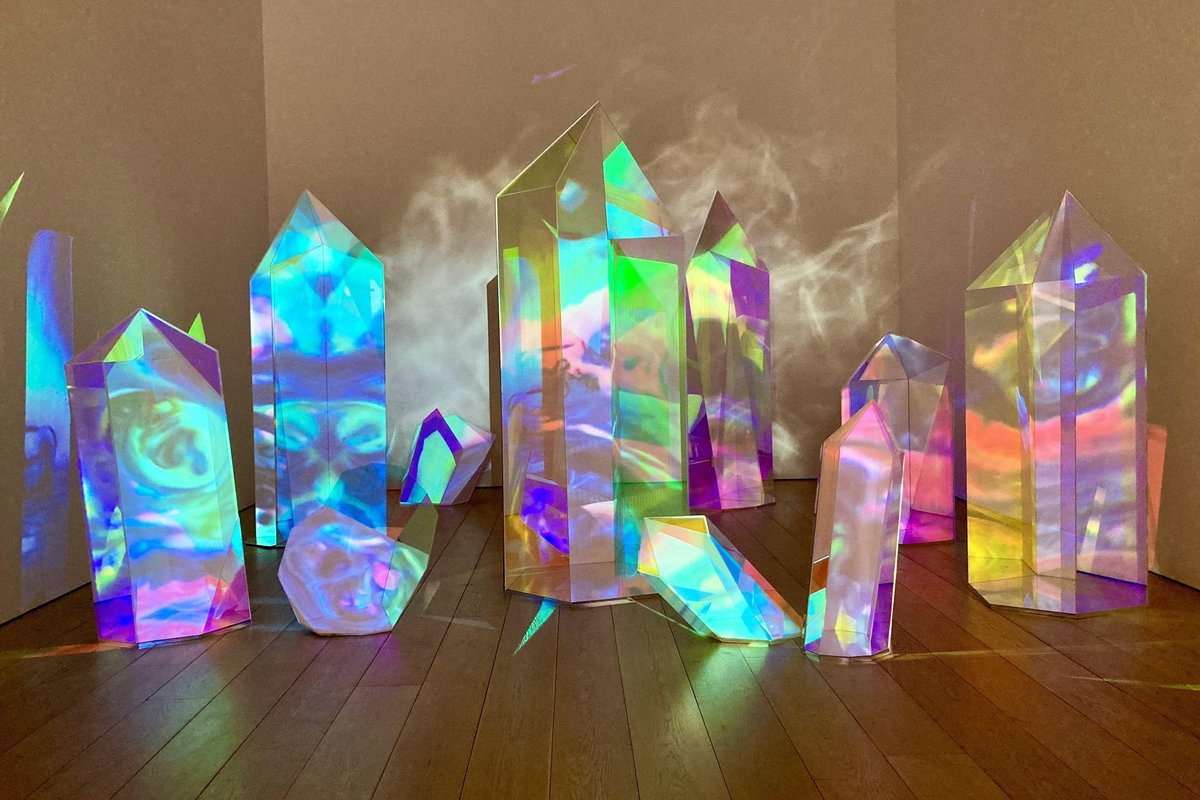
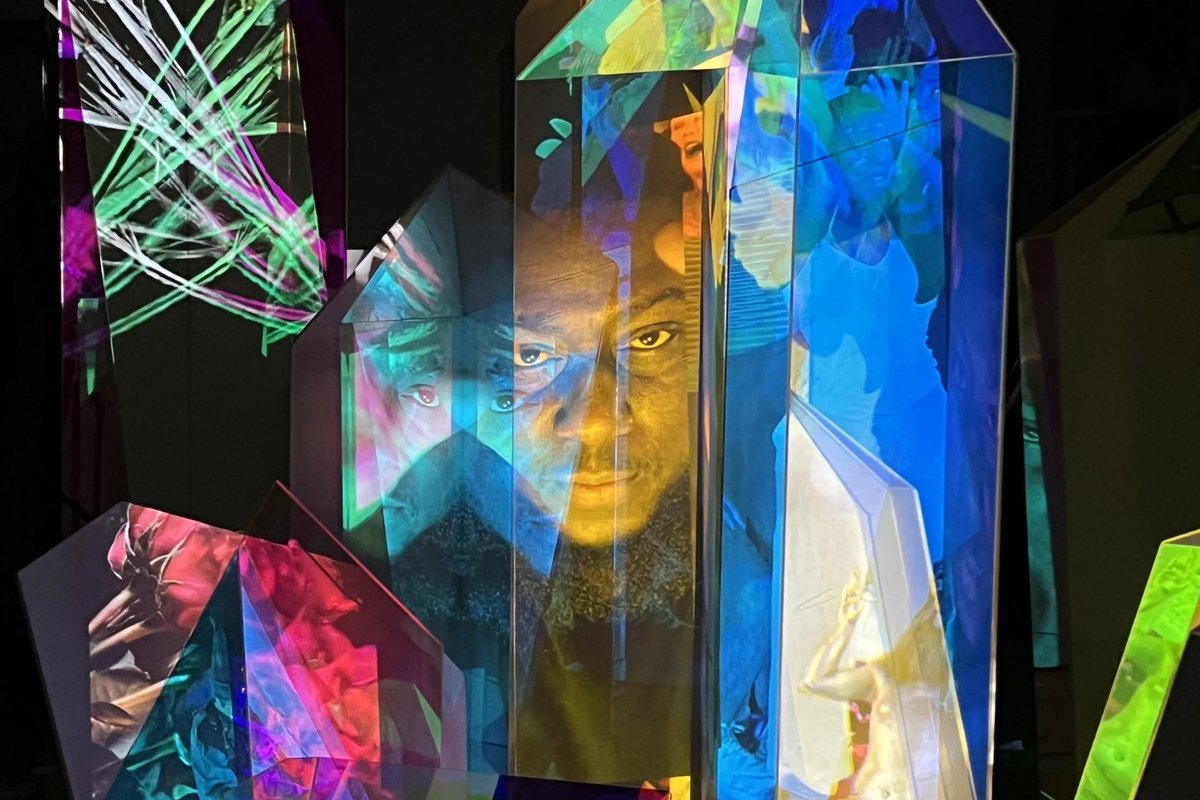
mAcHiNe E.L.F. explores the blurred boundary between science, technology, and magical thinking. Crystals are central to the work: they are essential to modern electronics for regulating frequencies and timing, yet they are also associated with healing, energy, and spirituality in New Age culture. The title refers to machine elves, mysterious intelligent beings often described in psychedelic experiences. By bringing together crystals, AI, 5G, ELF frequencies, altered states, and spiritual beliefs, Oursler asks what happens when technology becomes too complex for most of us to understand---at what point does science begin to feel like magic again?
My Thoughts
Visually, this was one of my favorite installations in the exhibition. From a production perspective, I was especially drawn to its material construction: mirrored surfaces at the base, with crystal-like structures built from transparent dichroic film, which shifts and reflects different colors depending on the viewing angle. Projection mapping onto these layered, reflective surfaces creates additional refractions and constantly changing visuals as you move through the space.
Private
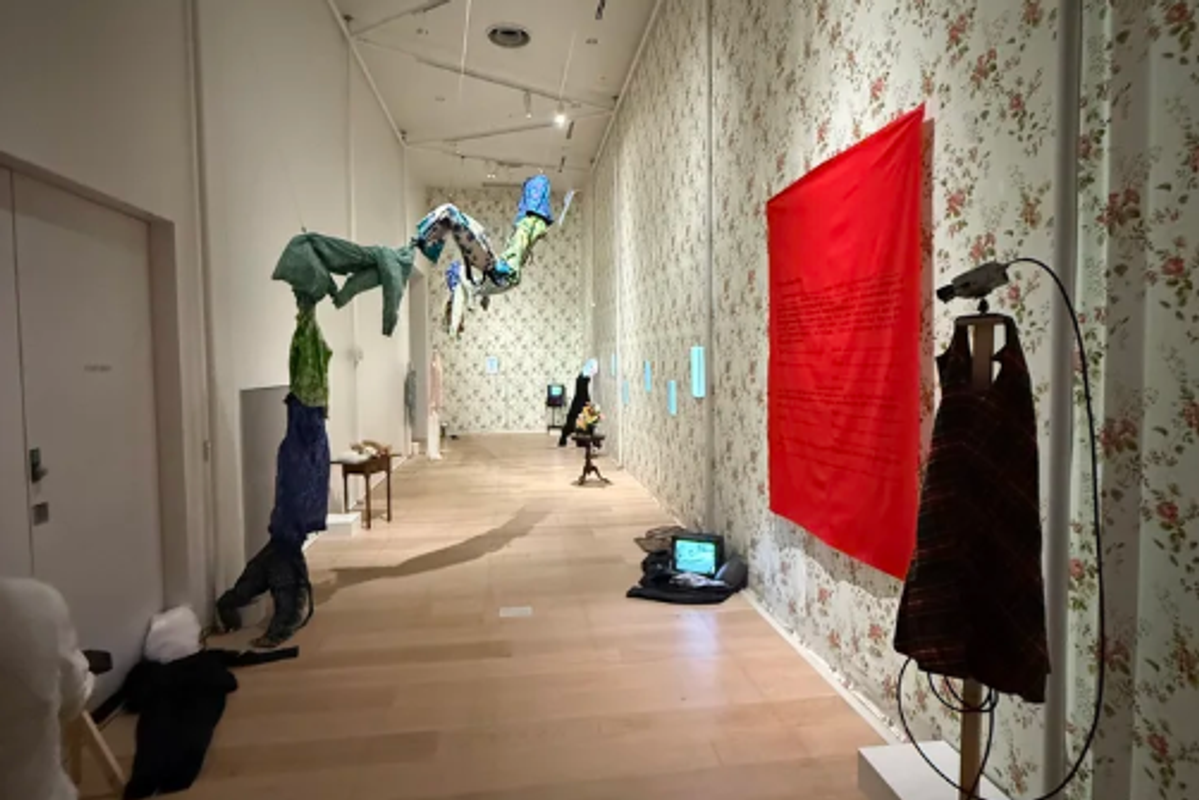
Private transforms an entire corridor into a psychological theater of domestic life. Originally created for the entrance hallway of a residential building---a transitional space that brings visitors from the outside world into a private home---the installation fills the corridor with projected figures, furniture, and everyday objects. These characters speak, reveal dreams, and share private thoughts, gradually turning an ordinary domestic space into a strange and unsettling inner world. At the heart of Private is a simple question: what does it really mean for something to be private? A home is usually considered our most private space, where relationships, dreams, secrets, and identities remain hidden. Yet through video, cameras, projection, and media, Oursler exposes these intimate elements to the viewer. Once a face is projected and a dream is spoken aloud, is it still private? In this way, the work connects domestic life and personal identity with broader ideas of privacy, surveillance, and media.
My Thoughts
Experiencing Private as a corridor was especially powerful because I wasn't simply standing outside and observing the installation---I had to physically walk through it. At one point, I suddenly noticed the back of my own head on a monitor and realized that a camera hidden among the clothes had been watching me. It instantly shifted my role from a visitor to both an observer and someone being observed.
I also found myself unexpectedly empathizing with the figures around me. I knew they were just fabric mannequins, yet as they spoke and revealed their personal stories, they somehow began to feel vulnerable and alive. I really loved this experience of walking through a domestic psychological theater, where the boundary between observing someone else's private world and becoming part of it gradually disappears.
Caricatures
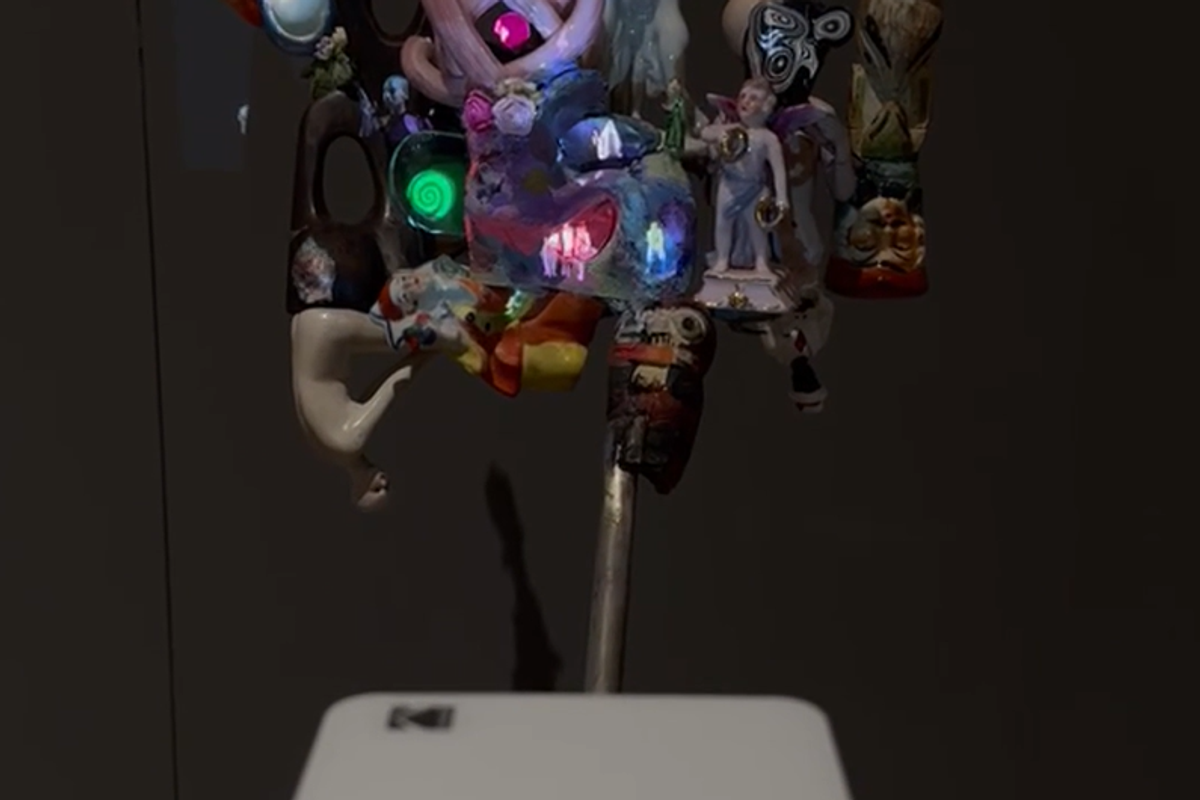
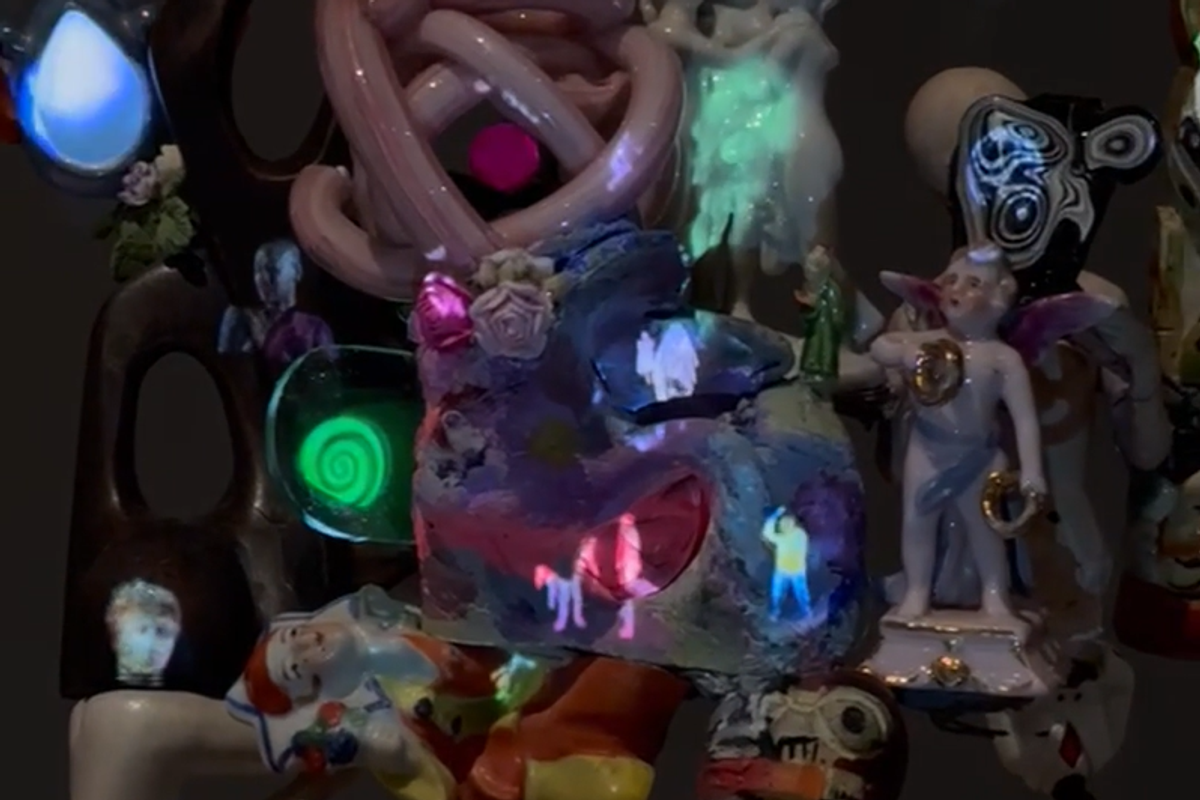
Caricatures is a series of projection sculptures in which Oursler projects exaggerated and distorted human faces onto irregular three-dimensional forms, transforming otherwise lifeless objects into expressive characters. Like traditional caricature, which exaggerates facial features to suggest personality, Oursler uses both the projected image and the physical shape of the sculpture to distort and reshape the face. What I find especially interesting is how quickly we begin to perceive personality and emotion in these objects simply because they have eyes, mouths, voices, and expressions. Here, projection is not just an image placed on a sculpture---it works together with the physical form to create the character itself.
U4EUH (Euphoria)
Created in 1991, U4EUH (Euphoria) explores the almost addictive relationship between people and electronic screens. By turning screen-viewing into an intimate, almost physical experience, Oursler examines how technology captures our attention through constant stimulation and pleasure. Seen today, the work feels surprisingly prophetic, anticipating our contemporary culture of screen addiction and social media decades before smartphones existed.
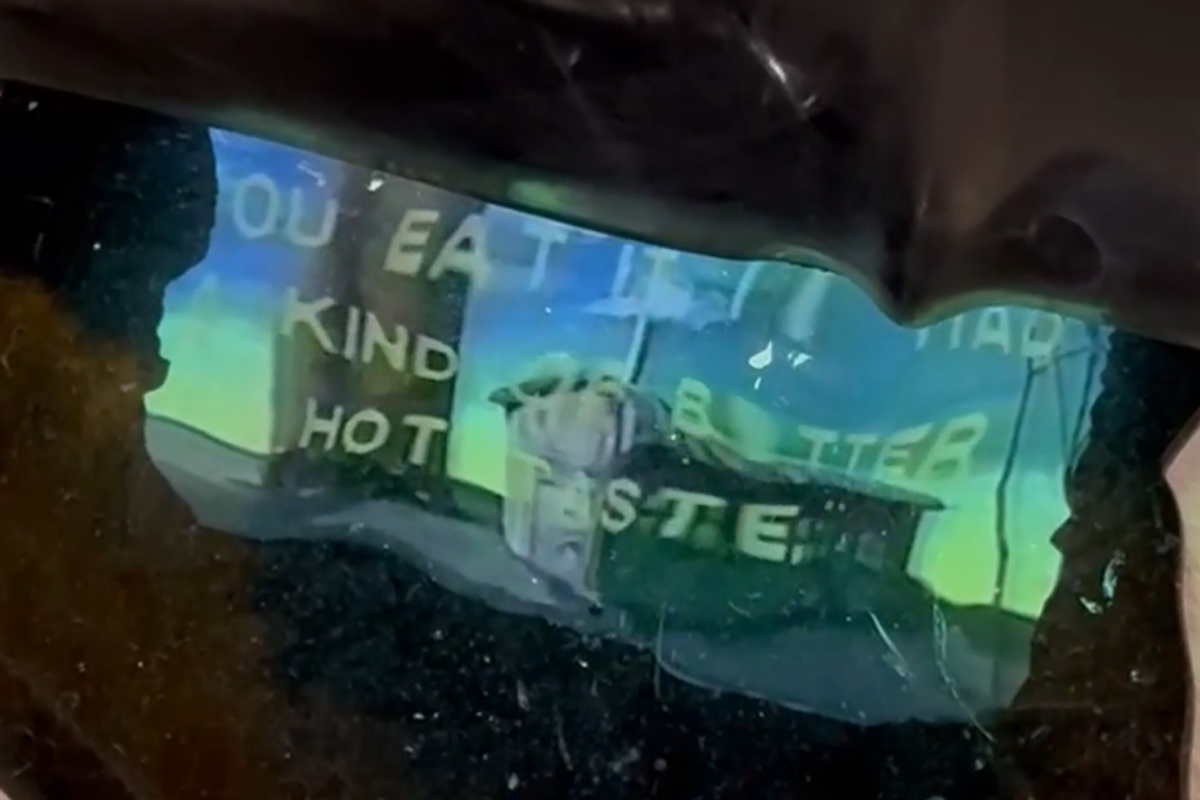
Kepone Drum
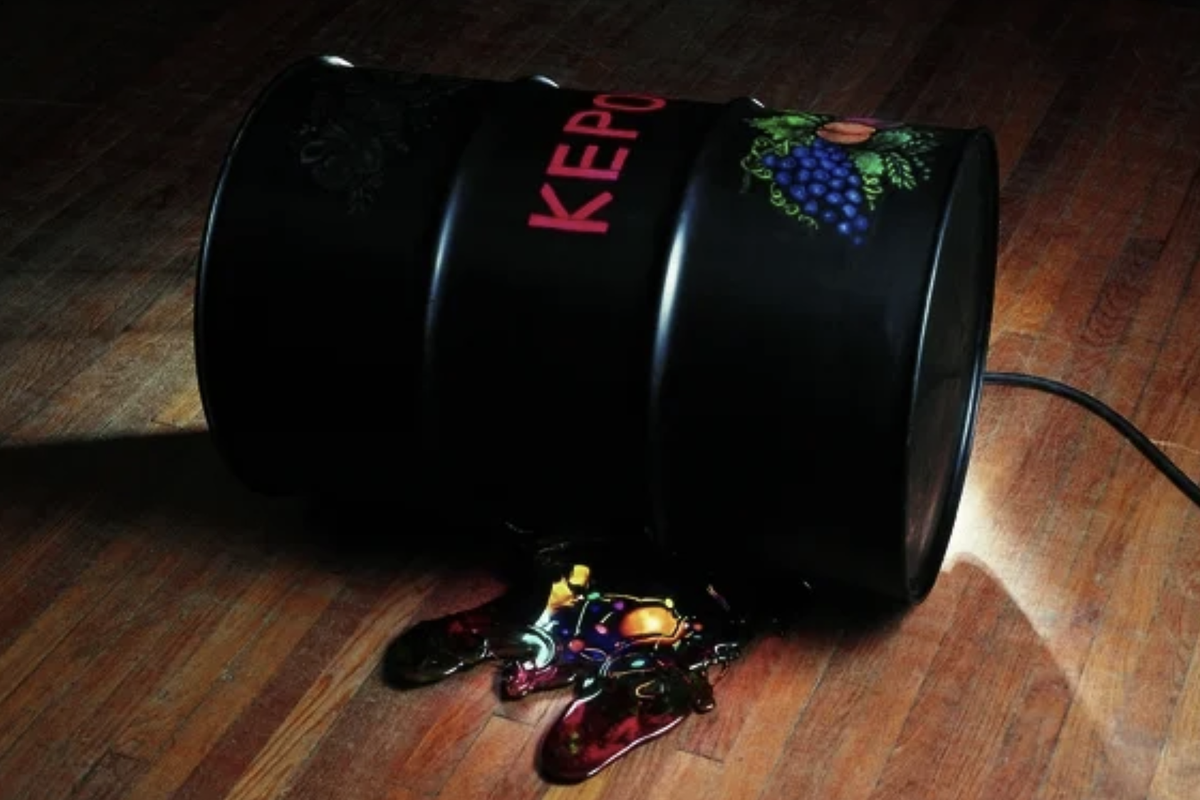
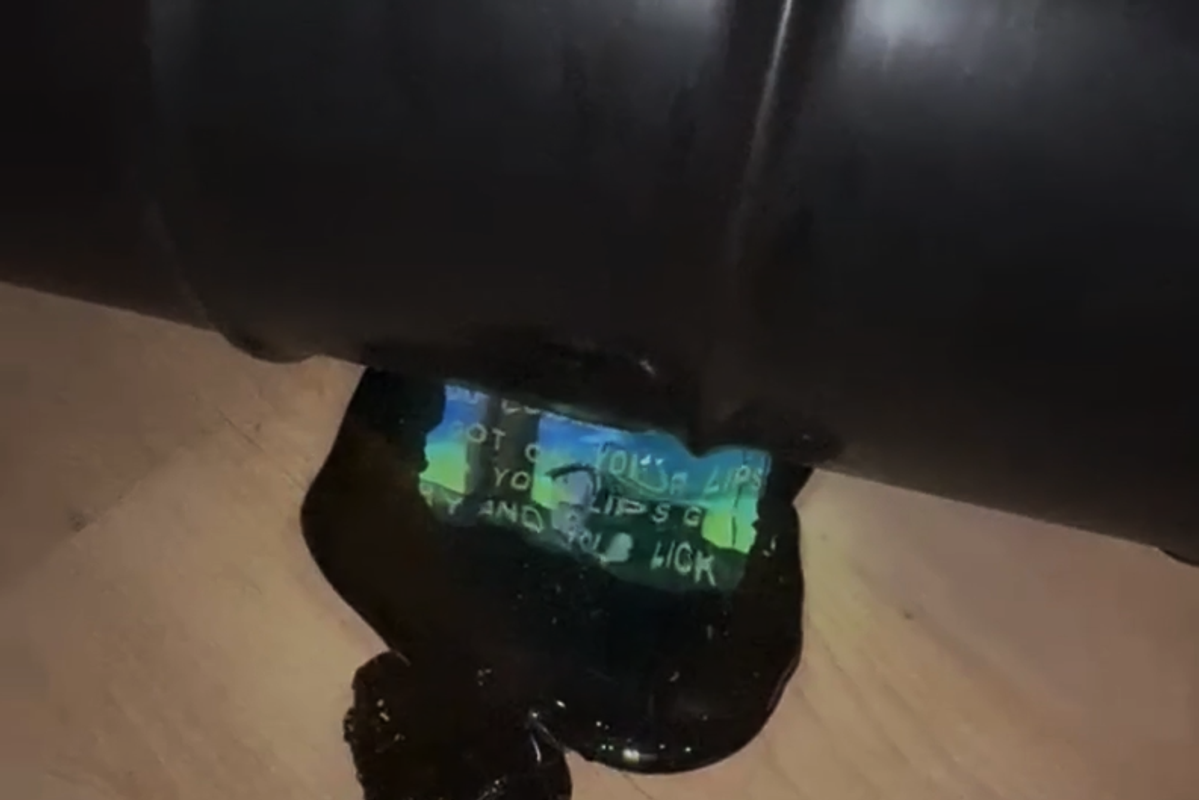
Kepone Drum transforms a real environmental pollution story into a video sculpture, but what I find most interesting is how the screen itself becomes part of the narrative. Instead of presenting the video on a conventional screen, Oursler projects it onto a dark, toxic-looking spill extending from the chemical drum---as if the images themselves were leaking out with the chemicals. The projection surface is no longer just a container for content; it becomes part of the story.
Star
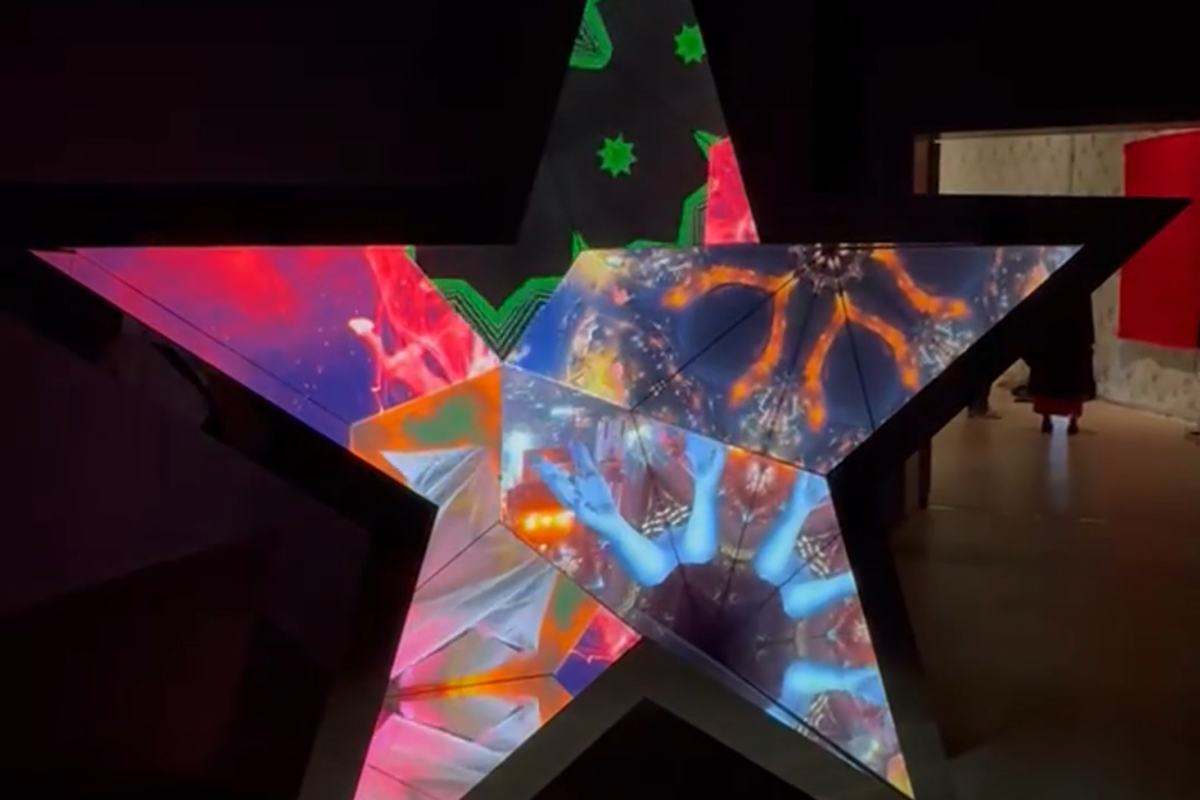
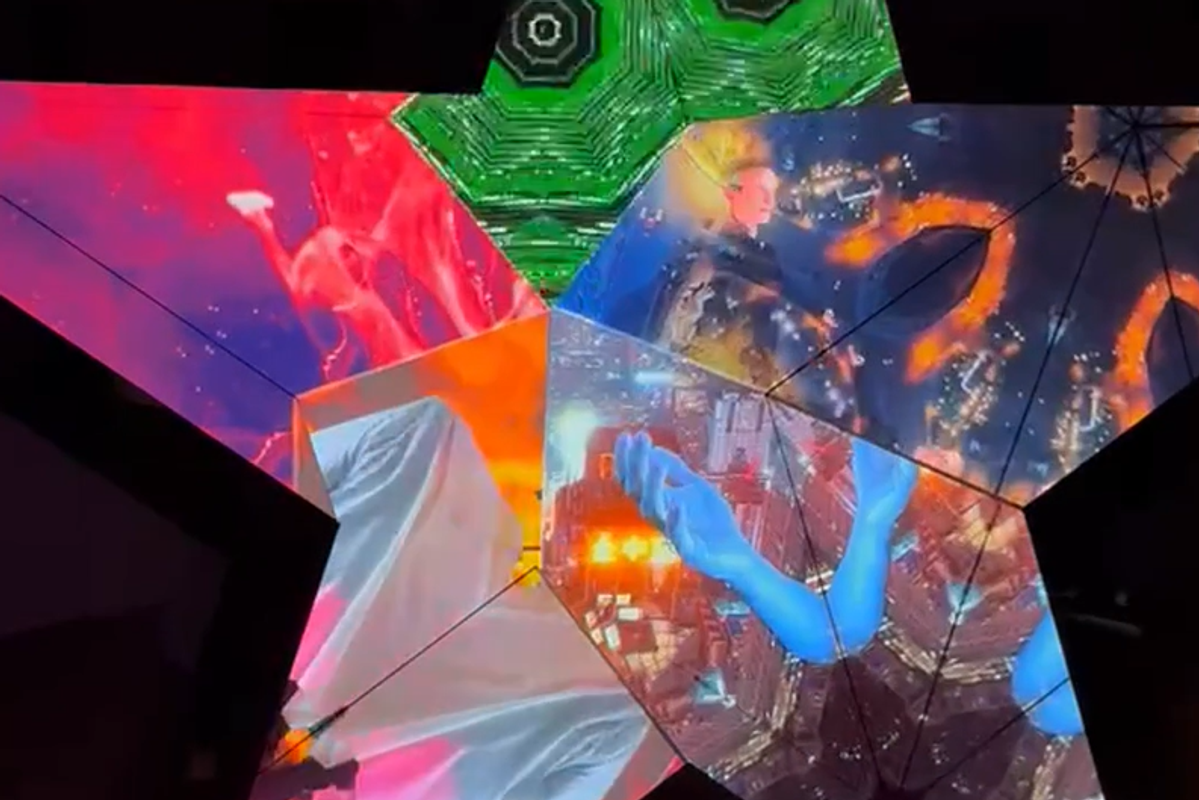
Star explores the idea of remote viewing---the possibility of seeing distant places through the mind alone. The work references both the U.S. government's Cold War-era Star Gate program and earlier experiments in extrasensory perception.
The physical form of Star is made of fiberglass, with moving images projected directly onto its sculptural surface. Mirrors are incorporated into the structure to reflect and multiply the imagery, creating its kaleidoscopic effect.
Further Explorations
After seeing the exhibition, I became even more interested in the possibilities of projection sculpture---especially how projected images can interact with physical forms, materials, and space rather than simply existing on a flat screen. This led me to do some further research into other artists working in this area, and I wanted to share a few works that I found particularly inspiring.
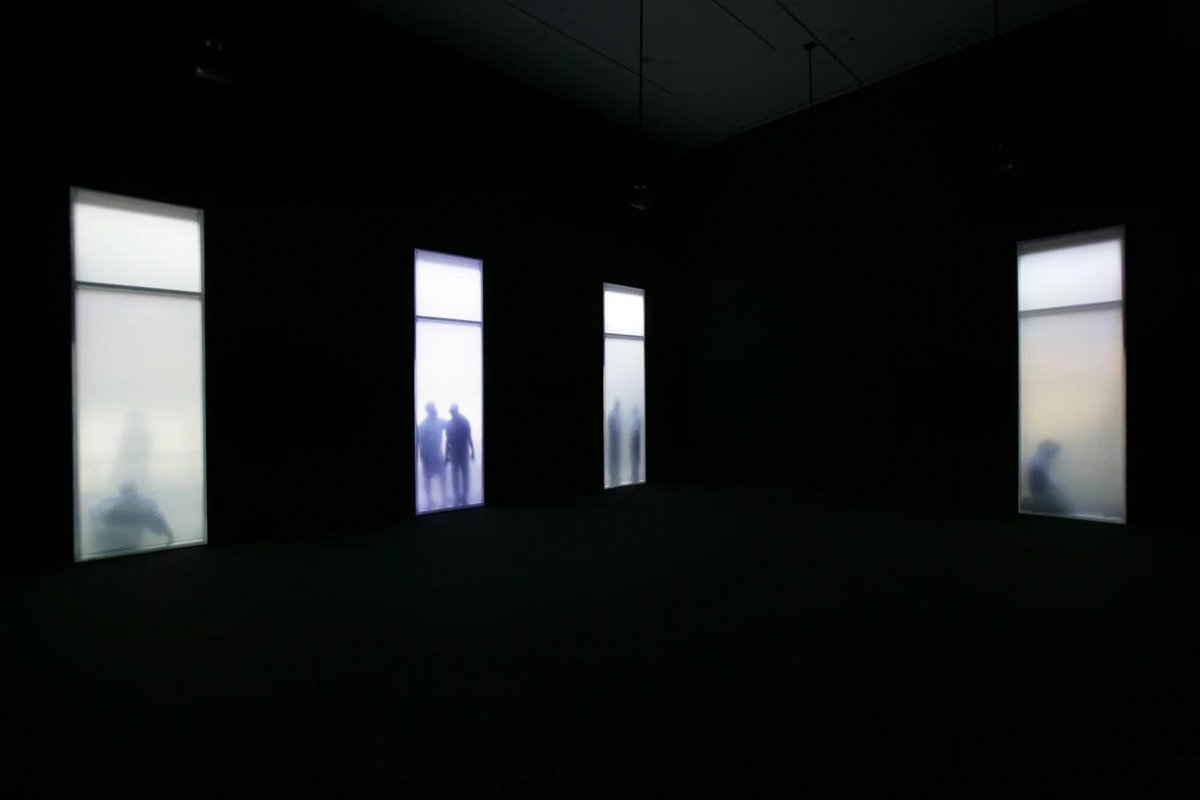
Guests, Krzysztof Wodiczko (2009)
Krzysztof Wodiczko's Guests (2009), created for the Polish Pavilion at the Venice Biennale, uses large-scale projections to create the illusion of windows on the pavilion's solid walls. Behind the translucent glass, silhouettes of immigrants appear to clean windows, work, wait, and talk about their lives. The projected windows create a powerful boundary: these people seem physically close, yet remain separated, blurred, and socially invisible. I especially like how the projection doesn't simply add images to the architecture---it completely changes our perception of the space, turning a solid wall into an imagined border between inside and outside, belonging and exclusion.
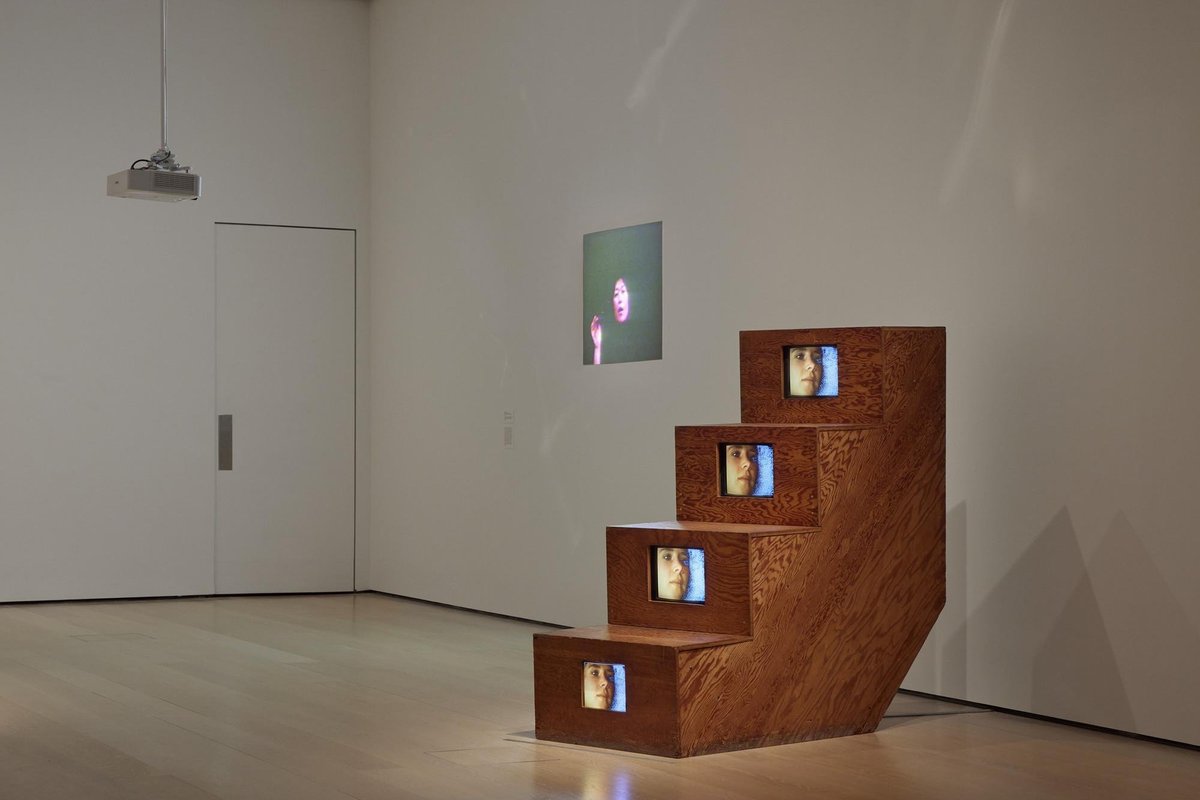
Shigeko Kubota
Shigeko Kubota was a pioneer of video sculpture who explored how moving images could exist beyond the conventional rectangular screen. She combined video monitors with sculptural forms, mirrors, water, and natural elements, treating video as a physical material rather than simply content to be displayed. In works such as Duchampiana: Nude Descending a Staircase (1976), River (1979-81), and Niagara Falls I (1985), screens become part of stairs, flowing water, and sculptural landscapes. I especially love how her work brings technology and nature together, transforming electronic images into something physical, poetic, and almost organic.
Originally published on HYZ Studio: hyzstudio.com/blog1/tony-oursler-tokyo.