 ● Recording
Pattern Recognition with Frank Rose, Digital Anthropologist and Author of The Art of Immersion
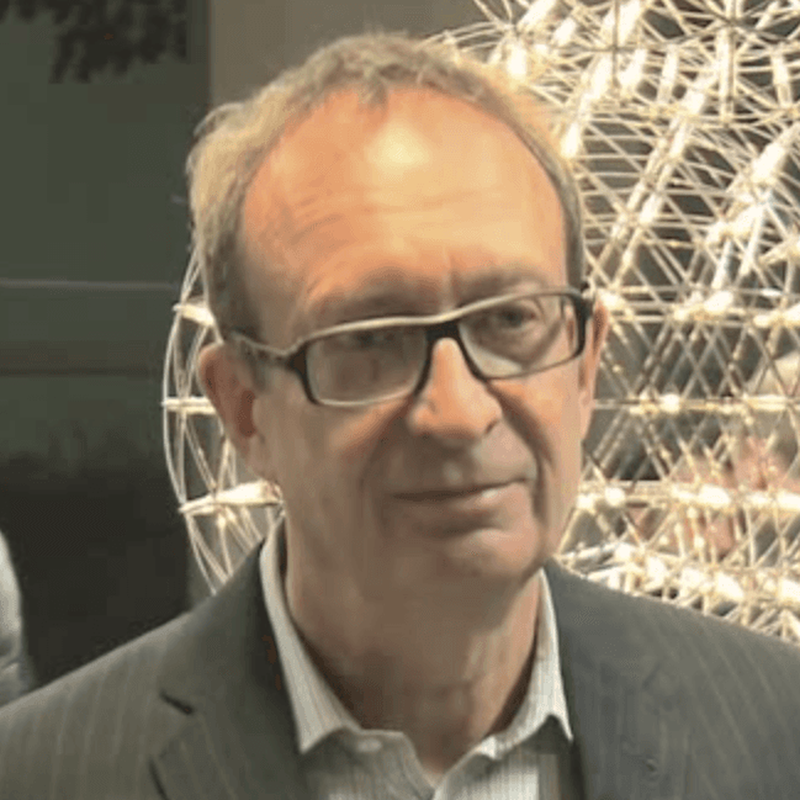
In The Art of Immersion, Frank Rose's book about narrative thinking, he makes the point that stories give us patterns—they help us make order out of the chaos of everyday existence. The problem is that the patterns they provide don’t always hew to reality. The brain is a pattern-seeking organ, but there are times when almost any pattern will do—and what stories lack in logic they can easily make up for in emotional appeal. When the brain’s pattern-seeking mechanism goes haywire—when it spies an image of the Virgin Mary in the condensation on a window or in a cloud hovering above the ocean—there can be no stopping it. Thus we’ve had the story that tuberculosis is a signifier of the victim’s romantic psyche, that AIDS is a punishment from God, and, in 2020, that the coronavirus was a conspiracy against Donald Trump.
The word for this is apophenia—the tendency to find patterns where none exists. And it’s becoming all too clear that, with the proliferation of digital media and their propensity to promote stories that often have no grounding in reality, apophenia is characteristic of the age we are living in. This is hardly the first time that humans have left reality behind, but the chaos and confusion it can cause are the antithesis of the clear thinking we will need to get us through such challenges as the climate crisis, the proliferation of artificial intelligence and the ethical complexities of bio-engineering.
Colonies on Mars, anyone?
Digital anthropologist and author exploring how stories work in a data-driven world. Faculty director of Columbia University\